
Laptop prices are rising fast, and buyers across Asia are feeling the pressure. The jump reflects deeper shifts in the global technology supply chain. Industry leaders say artificial intelligence features now demand costly hardware upgrades. As a result, affordability concerns are spreading across consumer and business markets.
Three years ago, an office worker purchased Samsung’s Galaxy Book3 Pro for about 1.9 million won. Recently, the same buyer checked prices for the 2026 lineup. However, the new models now start above 3.4 million won. Some variants approach the 5 million won mark. The buyer expressed shock at the sudden increase. Although performance improved, the pricing felt out of reach. Therefore, battery replacement or older models became practical alternatives.
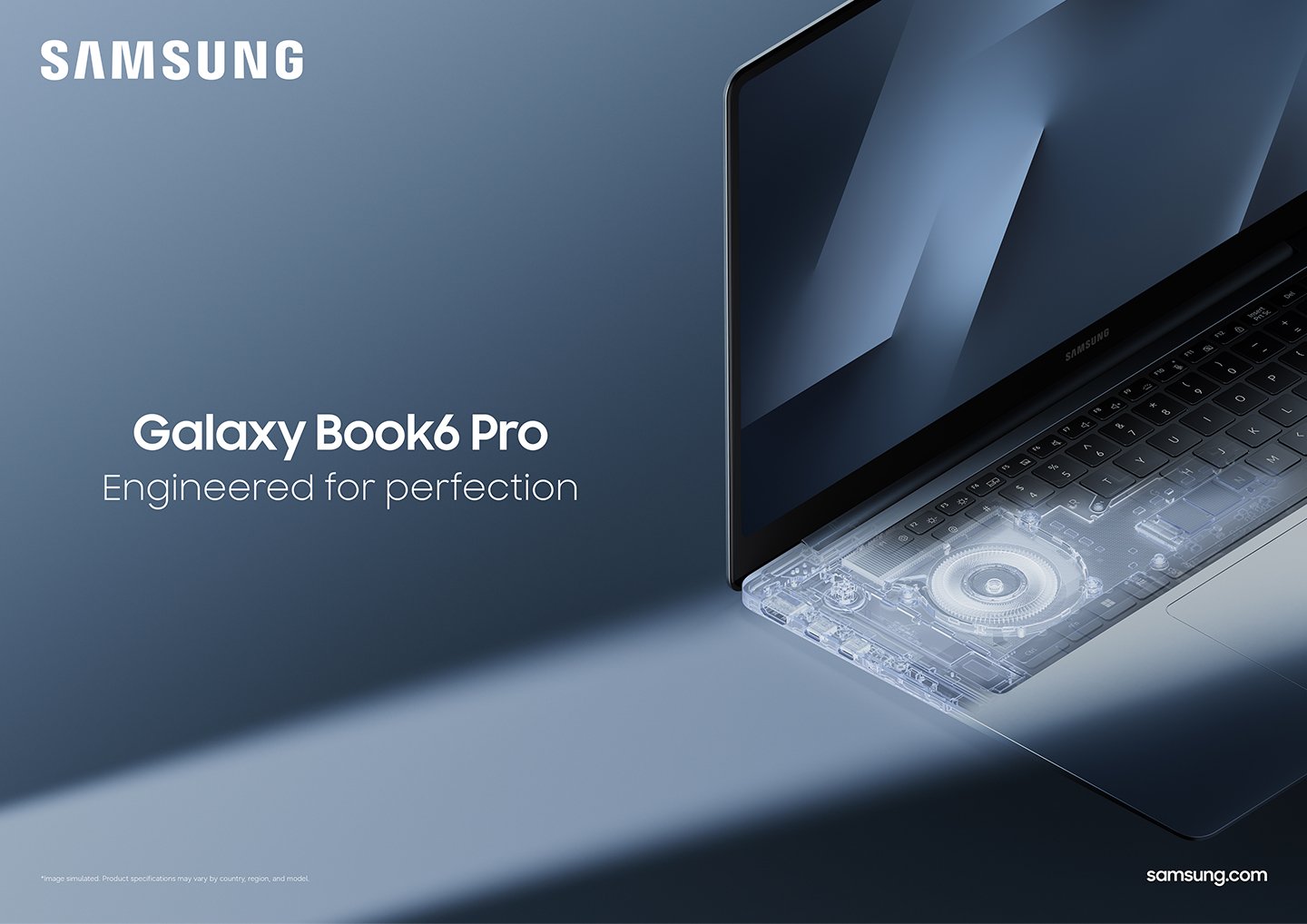
Samsung Electronics will release the Galaxy Book6 series on January 27. The 14-inch Galaxy Book6 Pro costs 3.41 million won. Meanwhile, the 16-inch version is priced at 3.51 million won. These prices mark a steep rise from the Book5 Pro range. Earlier models sold between 1.77 million and 2.81 million won.
The premium Galaxy Book6 Ultra shows an even sharper jump. Samsung offers only two variants this time. One version features a lower-tier graphics processor at 4.63 million won. The higher-spec option reaches 4.93 million won. Two years ago, the Galaxy Book4 Ultra started near 3.36 million won. Therefore, the new entry price has moved significantly higher.
LG Electronics faces similar pricing pressure. The 16-inch LG Gram Pro AI 2026 now sells for 3.14 million won. That price is roughly 500,000 won higher than its earlier equivalent. Moreover, global brands are following the same trend. Dell, Asus, and Lenovo raised launch prices across their latest laptops. Consequently, the issue is not limited to one manufacturer.
At the center of the surge lies the memory semiconductor market. Contract prices for 8-gigabit DDR4 DRAM rose sharply in recent months. According to market tracking data, prices jumped from $1.35 in March to $9.30 in December. That increase marks nine straight months of gains. Such growth has rarely occurred in recent PC cycles.
Memory makers are now prioritizing advanced products like high bandwidth memory. These chips support AI workloads and deliver higher margins. However, that shift reduced output of conventional PC memory. As supply tightened, prices climbed steadily. Laptop makers had little room to absorb the cost increases.
Manufacturers also face another challenge. Performance standards cannot be lowered without hurting competitiveness. Consumers now expect AI features, faster processors, and larger memory pools. Therefore, cutting specifications to save costs remains risky. Companies fear losing relevance in a crowded market.
Exchange rate pressure adds further strain for Korean brands. The won remains weak against the dollar. Most core components are priced in foreign currencies. CPUs and GPUs are sourced from US companies like Intel and Nvidia. As import costs rise, final product prices follow.
Industry officials say pricing flexibility has narrowed. One source explained that component costs leave little room for discounts. Even aggressive promotions struggle to offset rising expenses. As a result, manufacturers pass much of the burden to consumers.
The push toward AI-powered PCs intensified after major tech showcases. During CES 2026 in Las Vegas, Samsung’s leadership outlined its AI strategy. CEO Roh Tae-moon emphasized AI experiences in daily life. He described future devices as constant digital companions. However, building such machines requires high-capacity memory and storage. Those additions raise production costs quickly.
The risk now lies in weakening demand. Higher prices may discourage upgrades among average buyers. Office workers and students may delay purchases. Small businesses could extend device lifecycles. Therefore, shipment growth may slow despite technological gains.
This concern extends beyond laptops. Samsung’s upcoming Galaxy S26 smartphone series may also see higher prices. Memory costs affect mobile devices just as strongly. Smartphones now use larger RAM and storage configurations. AI features further increase hardware requirements.
Market research firms already see warning signs. IDC projects global smartphone shipments could fall between 2.9 and 5.2 percent this year. Rising device prices play a major role in the forecast. Consumers appear more cautious with spending. Many now wait longer between upgrades.
To reduce costs, Samsung may rely more on in-house components. Reports suggest the Exynos 2600 processor could power base Galaxy S26 models. Using internal chips may ease some pressure. However, memory costs remain difficult to control.
Samsung executives acknowledged the challenge openly. Roh said rising material costs weigh heavily on the business. He pointed to memory prices as the largest burden. According to him, pricing impact is unavoidable to some extent.
The broader IT market now faces uncertainty. Laptops, tablets, and phones share similar supply chains. When memory prices rise, all segments feel the effect. Therefore, the slowdown risk spreads across the ecosystem.
Retailers also notice shifting buyer behavior. Many shoppers compare older models more carefully. Refurbished devices attract renewed interest. Some buyers prioritize durability over new features. These trends reflect growing price sensitivity.
Despite the pressure, manufacturers continue to invest in AI hardware. They believe long-term demand will justify current costs. AI workloads require local processing for speed and privacy. Cloud dependence alone cannot meet future needs.
For now, consumers face a tough choice. Paying more delivers better performance and longevity. Waiting may offer limited relief if costs stay high. The balance between innovation and affordability remains fragile.
As 2026 unfolds, pricing trends will shape purchasing decisions. Memory supply developments may ease pressure later. Until then, laptop buyers must navigate a costlier market shaped by AI ambition.

Abhijeet is a software engineer who moonlights as a tech writer. His love for gadgets, mobile innovations, and smart devices keeps him closely connected to India’s fast-growing tech scene. When he’s not coding, he’s usually testing the latest earbuds or Android updates.