
Google has announced a major update to Google Translate by integrating its advanced Gemini translation technology. The update focuses on better understanding meaning, tone, and context across languages. This rollout strengthens Google Translate’s role as a daily language tool for users worldwide. Importantly, the upgrade improves text translation quality and introduces live speech translation using headphones. Additionally, Google has expanded language learning features inside the app. These changes aim to make translations sound natural and human. The update is designed for global users, with special focus on multilingual regions like India. Google confirmed the rollout begins today in select markets. More regions will follow gradually.
At the core of this update is Gemini’s improved contextual understanding. Traditional translation tools often struggled with idioms and local expressions. However, Gemini processes meaning instead of translating words literally. For example, phrases like “stealing my thunder” now translate accurately across languages. This ensures users receive the intended message. As a result, conversations feel clearer and culturally correct. Google states this model improves trust and usability. These improvements apply to both web search and the Translate app. Android and iOS users benefit equally from this text upgrade.
The improved text translation feature is launching in the United States and India first. It currently supports English translations into nearly 20 languages. These include Hindi, Spanish, Japanese, Chinese, and German. Google plans to expand language coverage over time. This rollout reflects India’s importance as a multilingual market. Many Indian users rely on Translate for education, travel, and work. Hence, accuracy and tone matter deeply. Gemini’s ability to capture nuance improves daily communication. This change aligns with Google’s broader AI-first strategy.
Another major addition is live speech-to-speech translation in beta. This feature allows users to hear real-time translations through headphones. Users simply open the Translate app and tap “Live translate.” Gemini then processes speech instantly and plays translated audio. Importantly, it preserves tone, emphasis, and pacing. This makes conversations feel natural and less robotic. Users can identify speakers more easily. This helps during meetings, lectures, or casual chats. The feature also supports watching foreign content comfortably.
Google says early testers responded positively to live translation. Based on this feedback, the beta is now expanding. Starting today, Android users in India, the United States, and Mexico can access it. The feature works with any standard headphones. It supports more than 70 languages currently. Google plans to bring this feature to iOS in 2026. More countries will also be added next year. The company encourages feedback through the app. This will help refine accuracy and speed.
Live translation has practical value for Indian users. Many professionals attend international calls and conferences daily. Students often watch foreign lectures or courses. Tourists navigate unfamiliar languages while traveling abroad. This feature reduces dependency on subtitles or manual translations. Internet discussions also suggest growing demand for speech translation tools. Analysts note that real-time voice AI is becoming essential. Google’s move places Translate ahead of several competitors. It also strengthens Gemini’s role across Google products.
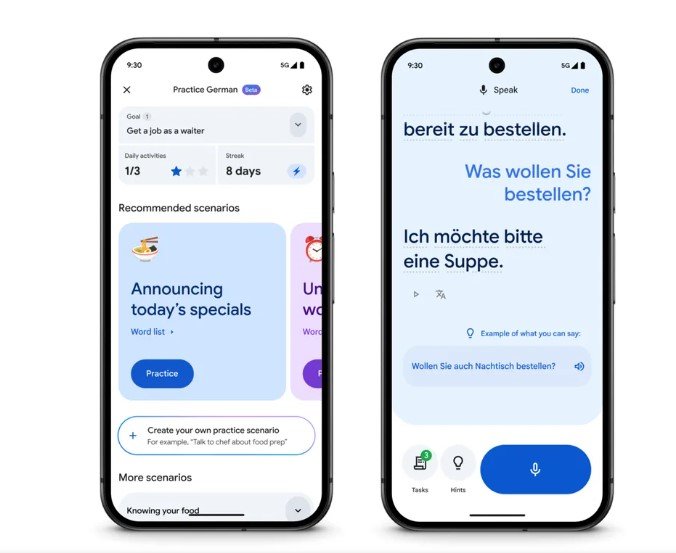
Beyond translation, Google is also expanding language learning features. The Translate app now offers improved speaking feedback. Users receive tips based on pronunciation and clarity. This helps learners correct mistakes instantly. Google also added a streak-based learning tracker. This feature shows how many days users practice continuously. It encourages consistency and motivation. Many users prefer short daily practice sessions. Google aims to support this habit-driven learning model.
The language learning expansion covers nearly 20 new countries. India is included in this rollout. New learning pairs include English to German and Portuguese. Several languages now translate into English for practice. These include Hindi, Bengali, Mandarin Chinese, German, and Italian. Swedish and Romanian are also part of the update. This expansion reflects demand for global language skills. Professionals increasingly value multilingual abilities. Google Translate now supports that growth.
Users have shared that realistic scenarios improve learning outcomes. Google has acknowledged this feedback publicly. The company plans to add more real-world practice modes. These updates will continue across future releases. Gemini’s AI helps simulate natural conversations. This makes practice more effective and engaging. Over time, Translate aims to become a complete language assistant. This includes learning, translating, and real-time communication.
From a newsroom perspective, this update strengthens Google’s AI narrative. Gemini already powers Search, Gmail, and Workspace tools. Adding Translate deepens its consumer impact. Experts say translation accuracy builds trust in AI products. Google’s focus on tone and meaning shows maturity. This also addresses criticism around literal AI translations. By preserving nuance, Google improves inclusivity. This matters in culturally diverse markets like India.
The rollout follows Google’s pattern of phased releases. Initial availability allows performance monitoring. Feedback will shape future updates. Google confirmed more languages and regions are coming. The company remains cautious but confident. With Gemini at the center, Translate becomes more adaptive. Users can expect smoother interactions going forward. The update positions Google Translate as a leader again. It blends AI innovation with everyday usability.
Overall, Google Translate’s Gemini upgrade marks a significant shift. It moves from basic translation toward true understanding. Text, voice, and learning now work together seamlessly. This evolution supports global communication needs. As AI adoption grows, such tools become essential. Google’s approach remains practical and user-focused. For Indian users especially, this update offers real value. The coming months will reveal its full impact.

Abhijeet is a software engineer who moonlights as a tech writer. His love for gadgets, mobile innovations, and smart devices keeps him closely connected to India’s fast-growing tech scene. When he’s not coding, he’s usually testing the latest earbuds or Android updates.