
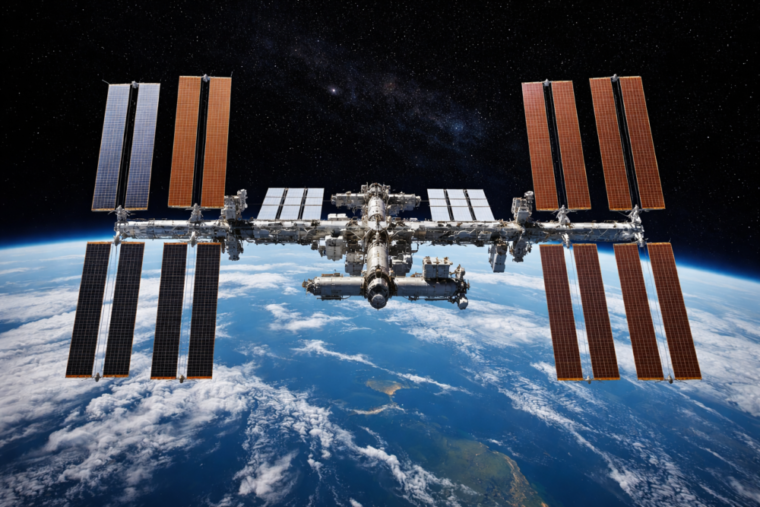
For 25 years, humans have celebrated holidays aboard the International Space Station. Astronauts have marked festivals while orbiting Earth every 90 minutes. The station travels at nearly 17,500 miles per hour above the planet. Yet, moments of celebration bring a sense of home. These traditions highlight the human side of space exploration. This milestone reflects both science and shared culture.
Since the year 2000, crews from many nations have lived together in orbit. They have celebrated Christmas, Thanksgiving, Hanukkah, New Year’s, and national holidays. Birthdays have also become special moments in space. Despite tight schedules, astronauts pause to observe these days. The celebrations help boost morale during long missions. Therefore, holidays play an important role in crew well-being.
The International Space Station circles Earth about 16 times daily. As a result, astronauts witness multiple sunrises and sunsets each day. Even so, they follow Earth calendars for holidays. Mission control helps coordinate these moments. Families on the ground often join through video calls. This connection reduces the feeling of distance.
Holiday food remains one of the strongest traditions in orbit. NASA’s Space Food Systems Laboratory prepares special meals for crews. The facility is based at the Johnson Space Center in Houston. Astronauts select menus before launch with nutrition experts. These meals balance taste, nutrition, and shelf life. Consequently, holiday food feels both familiar and practical.
Before major holidays, cargo spacecraft often deliver special food packages. These are known as Holiday Bulk Overwrapped Bags. They contain festive items suitable for microgravity. Foods may include turkey, clams, oysters, green beans, or smoked salmon. Shelf-stable treats like candy, icing, and hummus are also added. These deliveries become highlights of the mission timeline.
Astronauts have often spoken about the comfort of shared meals. Eating together strengthens team bonds in space. Although food floats without gravity, crews adapt quickly. Velcro and sealed containers prevent spills. In this way, traditions adjust without losing meaning.
Decorations also form part of holiday life aboard the station. Crew members hang small ornaments inside modules. Paper snowflakes and flags often float gently. These decorations are lightweight and safe. They transform the station’s technical interior. Thus, a work environment briefly feels festive.
Gift exchanges add joy during special occasions. Astronauts usually bring small personal items from Earth. These gifts are often simple and symbolic. Floating packages create lighthearted moments. Such exchanges strengthen international friendships. Therefore, holidays promote unity among diverse crews.
Communication with Earth remains central to celebrations. Astronauts connect with families through video calls. They also send recorded greetings to the public. Space agencies share these messages widely. As a result, people on Earth feel included. These moments remind viewers of shared humanity.
Over the years, many iconic holiday moments have been recorded. Crews have sung songs from orbit. Some astronauts dressed as Santa Claus for fun. Others shared cultural traditions from their home countries. These moments gained attention across global media. Consequently, the space station became a symbol of unity.
International cooperation defines life aboard the station. Partners include the United States, Russia, Europe, Japan, and Canada. Each culture brings unique traditions. Crews respect and observe different holidays together. This diversity strengthens collaboration. It also reflects peaceful cooperation beyond Earth.
Holidays also provide psychological benefits. Long missions can cause stress and isolation. Celebrations break routine and lift spirits. NASA studies crew mental health closely. Research shows that positive social moments improve performance. Therefore, holidays support mission success indirectly.
Beyond celebrations, the station remains a critical research platform. Scientists conduct experiments in microgravity. Research covers health, materials, and Earth observation. These studies support future deep-space missions. Hence, holidays coexist with demanding scientific work.
The station also supports medical research. Astronaut health data helps doctors on Earth. Studies focus on bone loss, muscle strength, and vision. This research benefits aging populations globally. Thus, the station impacts everyday life on Earth.
Education outreach remains another key mission. Astronauts often speak to students during holidays. These interactions inspire young minds. Schools across regions follow these broadcasts. As a result, space exploration feels more accessible.
Over time, holiday traditions have evolved. Early missions had limited supplies. Modern cargo systems improved comfort. Private space companies now support deliveries. This progress allows better planning for celebrations. Therefore, quality of life in orbit continues to improve.
Looking ahead, the station’s legacy matters deeply. It prepares humanity for Moon and Mars missions. Long-duration living lessons come from these years. Holiday traditions teach how humans adapt culturally. This knowledge matters for future space habitats.
India and other space-faring nations closely watch these developments. The success of international cooperation sets an example. Cultural respect in space mirrors Earth’s diversity. Hence, space exploration reflects global values.
As the station approaches future transitions, its stories remain valuable. Celebrations show that humans carry traditions anywhere. Science and culture move together beyond Earth. The station proves that exploration remains a human journey.
After 25 years, holidays in orbit tell a simple story. Even far from home, people celebrate together. Traditions adapt but do not fade. The International Space Station stands as a shared home in space.

Meera works full-time as a UX designer in Bengaluru. She writes part-time for the platform, sharing insights on smartphone launches, digital trends, and user-focused tech. Her passion lies in helping readers understand tech in a simpler, more human way.