
ASUS has expanded its Copilot+ PC ecosystem with a wide range of new laptops, desktops, and all-in-one computers. The announcement underlines the company’s long-term strategy to make AI computing practical for creators and everyday users. By combining Snapdragon, Intel, and AMD platforms, ASUS has built a unified hardware ecosystem aimed at modern productivity needs. This move reflects rising regional and global demand for efficient, AI-ready personal computers.
Unveiled alongside CES 2026 developments, the refreshed Zenbook and Vivobook families mark ASUS’s most extensive AI PC update so far. The company has prioritised lighter designs, sustained performance, and longer battery life across categories. At the same time, premium build quality remains central through the use of ASUS’s proprietary Ceraluminum material. These design and performance choices align closely with hybrid work trends and mobile-first lifestyles.
Company executives have stressed that Copilot+ PCs are moving beyond early adopters. They are now positioned as mainstream devices for work, study, and creativity. By offering multiple processor options, ASUS aims to address different price segments and performance expectations. This flexibility allows users to select devices that match their daily workloads rather than a single fixed platform.
Among the new launches, the 2026 Zenbook DUO stands out for its unconventional approach to mobile productivity. It features dual 14-inch 3K ASUS Lumina Pro OLED displays within a refined Ceraluminum chassis. The redesigned structure improves durability while keeping the overall footprint compact. ASUS has reduced the gap between the two screens by seventy percent, creating a more continuous visual experience.
The dual-screen design targets professionals who frequently juggle multiple applications. A new hideaway hinge supports smoother transitions between laptop, tablet, and presentation modes. The reinforced Bluetooth keyboard docks securely using ASUS’s MagLatch system. Retractable pogo pins ensure stable charging and connectivity during extended mobile use.
Powering the Zenbook DUO is the Intel Core Ultra X9 Series 3 processor. ASUS has paired this with a dual-battery system delivering a combined 99Wh capacity. This setup supports longer work sessions without frequent charging interruptions. Improved thermal engineering allows the system to maintain performance during demanding creative workloads.
Cooling upgrades play a critical role in sustaining output. Dual 97-blade fans and larger ventilation channels enable up to 45W TDP operation. ASUS notes this represents a significant improvement over the previous generation. Such thermal headroom is important for creators using video, design, and AI-assisted tools.
Audio performance has also received attention. A six-speaker system delivers clearer and more immersive sound. This enhancement supports content creation, video calls, and entertainment. Together, the display and audio upgrades aim to deliver a balanced multimedia experience.
ASUS has refined its ScreenXpert software to complement the dual-screen hardware. When the device is placed flat, sharing tools activate automatically. A contextual pop-up allows users to select presentation and annotation options quickly. This feature simplifies collaboration in meetings, classrooms, and creative sessions.
The Zenbook A16 takes a different approach by focusing on large-screen portability. It features a 16-inch 3K OLED display within a chassis weighing just 1.2 kilograms. ASUS claims this weight competes with many smaller laptops currently available. The full Ceraluminum body ensures rigidity without adding unnecessary bulk.
Connectivity remains a priority for the Zenbook A16. The laptop includes comprehensive I/O ports and a full-size SD card reader. Six built-in speakers enhance the media experience. These features make the device suitable for photographers, editors, and multimedia professionals.
At its core, the Zenbook A16 uses the Snapdragon X2 Elite Extreme processor. This 18-core platform delivers up to 80 TOPS of AI performance. ASUS positions the chip as offering discrete-class graphics capability. Such performance supports advanced creative workflows and AI-driven applications.
Battery efficiency is another strong point of the Zenbook A16. ASUS claims over 21 hours of operation on a single charge. Advanced cooling keeps noise levels low during regular use. This balance suits users working in shared offices, homes, or public spaces.
The Zenbook A14 is designed for users who prioritise extreme mobility. It weighs under one kilogram while retaining a full Ceraluminum chassis. ASUS describes it as a new benchmark for durable ultralight laptops. The design targets professionals who travel frequently or work across locations.
The Zenbook A14 is powered by the Snapdragon X2 Elite processor. It delivers up to 80 TOPS of AI performance while maintaining strong efficiency. ASUS claims CPU and GPU performance exceeds direct rivals in its class. Despite this output, power consumption remains tightly controlled.
Battery endurance defines the Zenbook A14 experience. ASUS states it can deliver up to 35 hours of offline video playback. Such longevity supports long journeys and extended remote work. This capability holds particular relevance in regions with variable power availability.
The refreshed Zenbook S series blends precision engineering with understated design. The lineup features CNC-milled Ceraluminum chassis designs with an ultrathin 1.1-centimetre profile. A new Antrim Gray finish enhances the minimalist aesthetic. Structural integrity remains a priority despite the slim form factor.
Processor options vary across the Zenbook S range. The 14-inch model uses Intel Core Ultra 9 Series 3 processors. The 16-inch version adopts AMD Ryzen AI 400 Series chips. Both configurations support Copilot+ PC features and AI-assisted workflows.
ASUS has also upgraded cooling and input features across the Zenbook S series. A dedicated Copilot key improves quick access to AI tools. The enlarged intelligent touchpad supports advanced gesture controls. These refinements aim to improve everyday productivity.
Display quality remains a highlight of the Zenbook S lineup. Devices offer up to 3K 120Hz OLED panels with peak brightness reaching 1,100 nits. Visual clarity remains strong even under bright lighting conditions. Audio output is handled by four or six speakers depending on the model size.
Alongside laptops, ASUS introduced the ZenMouse MD202 as a companion accessory. It features a durable Ceraluminum construction that matches Zenbook aesthetics. Quiet click mechanisms improve comfort during extended use. Glass-surface tracking ensures smooth operation across environments.
The mouse supports USB-C charging and dual-mode connectivity. Users can connect up to four devices simultaneously. Customisable shortcuts help improve workflow efficiency. This accessory reinforces ASUS’s integrated ecosystem approach.
For budget-conscious users, ASUS expanded the Vivobook S series. The range includes 14-inch and 16-inch models designed for everyday AI computing. All models support Copilot+ PC features. ASUS aims to bring AI performance to a wider audience.
Vivobook S devices are available with Intel Core Ultra Series 3 processors. AMD Ryzen AI 400 Series options are also offered. Selected 16-inch models include Snapdragon X2 Elite chips. AI performance can reach up to 80 TOPS.
Battery capacity across the Vivobook S lineup stands at 70Wh. Comprehensive I/O ports support external displays and accessories. A large smart-gesture touchpad improves navigation. These features enhance usability for students and professionals.
Security remains a key focus for the Vivobook S series. AI cameras support Windows Hello facial recognition. Microsoft Pluton processors enhance hardware-level protection. Voice Print Technology enables personalised access in shared environments.
Display options include WUXGA OLED panels and 2.5K IPS screens. The IPS variants offer 144Hz refresh rates. Dolby Atmos audio enhances sound immersion. This combination supports both work and entertainment use cases.
Design remains slim and practical across the Vivobook S series. Thickness starts at 1.59 centimetres with weights from 1.35 kilograms. Military-grade durability testing ensures long-term reliability. Selected models introduce a new Mist Blue finish.
Beyond hardware, ASUS highlighted its open cross-device ecosystem. ASUS GlideX supports Windows, iOS, and Android platforms. This openness differentiates ASUS from more closed ecosystems. Users can work seamlessly across multiple devices.
GlideX allows mirroring of multiple phone screens at once. It also enables phone camera sharing during video calls. Intelligent photo organisation simplifies media management. A concentric interface displays connected devices clearly.
ASUS has optimised GlideX for stability and performance. The platform acts as a unified digital workspace. This capability supports modern multi-device lifestyles. It also strengthens ASUS’s software ecosystem value.
ASUS has also extended its Copilot+ vision into desktop computing. The V series desktops offer flexible configurations for home users. Models are available in mini tower and SFF designs. This variety suits different space and performance needs.
The Mini Tower V700 blends design with capability. Wood-grain finishes and soft 4000K lighting enhance home integration. Rounded edges give it a refined appearance. The design philosophy focuses on blending technology with living spaces.
Internally, the V700 uses AMD Ryzen AI 7 processors. NPU performance exceeds 50 TOPS. NVIDIA GeForce RTX 5060 graphics support creative and gaming workloads. Cooling systems ensure quiet and efficient operation.
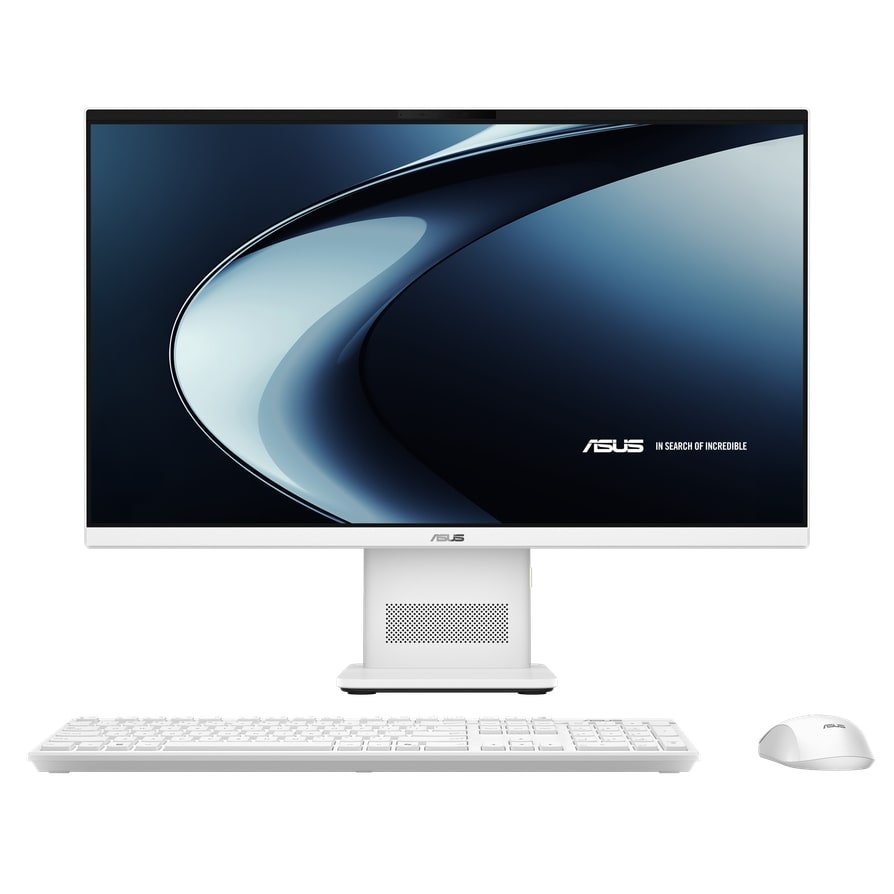
ASUS also introduced the VM441QA all-in-one PC. It is the world’s first Snapdragon-powered Copilot+ AiO. The ultra-slim profile and compact stand save space. This design suits modern homes and offices.
A 23.8-inch FHD anti-glare display delivers consistent visuals. The Snapdragon X processor provides 45 TOPS of AI acceleration. Instant-on performance improves daily responsiveness. Power efficiency reduces energy consumption.
Dolby Atmos audio enhances entertainment quality. AI noise cancellation improves call clarity. The system operates quietly during normal use. ASUS positions it as a smart solution for shared living spaces.
Industry observers note rising global demand for AI-ready PCs. Copilot+ features are accelerating this shift across markets. ASUS’s multi-platform strategy reduces reliance on a single architecture. It also expands consumer choice regionally.
Pricing and availability details for India are expected later. Analysts anticipate strong interest driven by battery life and portability. ASUS continues to strengthen its AI PC leadership. The 2026 lineup reflects a mature and scalable ecosystem.

Shruti is a content strategist from Chennai with a strong interest in mobility tech and smart devices. She contributes part-time stories on new smartphone launches, EV trends, and India’s growing digital lifestyle.